

AVAYA DOCUMENTATION CENTER
Find answers to your technical questions and learn how to use our products
Avaya Aura® Communication Manager Reports
Attendant Group Measurements field descriptions
Name |
Description |
|---|---|
Grp Siz |
Group Size. The number of attendants or consoles administered for the group. |
Meas Hour |
Measurement Hour. The following labels in the last column indicate the hours represented:
Note:
A pair of asterisks indicates that the switch time was changed during the measurement interval. The system sets the measurement data for this interval to zero. |
Calls Ans |
Calls Answered. The number of calls that the active attendants answer during the measurement hour. However, the system does not include calls to specific attendant extensions or that route to an attendant through a hunt group. With the number of calls answered, you can determine the Average Work Time (AWT), which is the time the attendant takes to handle a call. For more information about AWT, see Data analysis guidelines for attendant group reports. |
Calls Aband |
Calls Abandoned. The number of calls that ring an attendant group and drop when the caller disconnects before an attendant answers. The system includes the calls abandoned from the attendant queue before the calls are answered. The system does not include calls abandoned after being put on hold because the system includes such call in the calls answered measurement. Suggested action: Observe the times in the day when the number of calls abandoned is higher than the optimum level. Schedule more attendants in the group for such times. For more information, see Data analysis guidelines for attendant group reports. |
Calls Qued |
Calls Queued. The total number of calls delayed or put in the attendant queue because attendants are unavailable. Calls remain in the queue until one of the following occurs:
|
Calls H-Abd |
Calls Held-Abandoned. The number of calls that are abandoned while the caller is on hold. The system includes the held calls that time out and realert in the held-abandoned call measurement. Suggested action: If you find this number is excessive, investigate to identify the reasons. |
Calls Held |
Calls Held. The number of calls answered by the attendant group and later put on hold by the attendant group. |
Time Avail |
Time Available. The time during which the position available lamp is lit on the attendant consoles, but are available to handle new calls. The system measures this time in Centum Call Seconds (CCS).
Note:
An attendant can have calls on hold and still be available. For example, if two attendants are available for 15 minutes each during the measurement hour, the total available time is 30 minutes or 18 CCS (0.5 hour*36 CCS per hour). You can administer consoles with unique extension numbers or without any extension number. For the consoles with extension number, the system allots traffic measurements for outgoing calls and incoming calls to the extension number and not to the attendant group. For consoles without the extension number, the system allots all traffic measurements to the attendant group. The system does not include the time during which the console is on outgoing calls in the attendant group time available measurement. Attendants are unavailable and do not accumulate the time available measurement when:
Suggested actions:
|
Time Talk |
Talk time. The total time during the measurement interval when attendants are active or talking on a loop. The system measures this time in CCS. The Talk time does not start until the attendant answers the call. The system does not include the time between the call disconnecting at the attendant console either in available time or talk time. The system does not include the calls that are split by the attendant from the point when the attendant presses the Start button until the call is placed. The system treats the calls routed to an attendant through a hunt group as calls to the attendant extension and therefore, does include such calls in talk time.
Note:
An attendant can have up to six calls on hold at anytime. However, each attendant can only be active on only one loop at a time. |
Time Held |
Held time. The total time that the attendants have calls on hold. The system measures the time in seconds. |
Time Abnd |
Time to abandoned. The average time the calls spend in queue or ringing at the console before the caller disconnects.
Note:
Time to abandoned does not include the calls that overflow the attendant group queue. 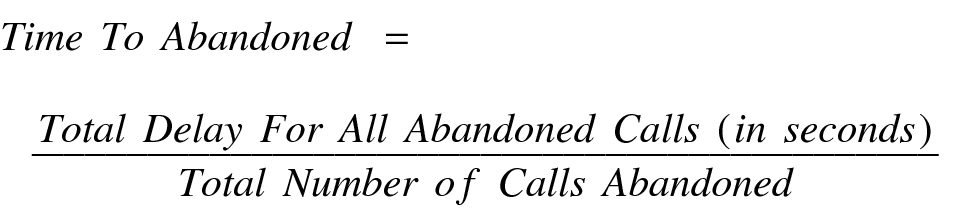 Suggested action: If the value of the Time Abnd field is less than the value of the Speed Ans (sec) field, you need more agents. If the value of the Time Abnd field is more than the value of the Speed Ans (sec) field, the attendant group must process the calls faster. The attendant group must be engineered so that the value of the Time Abnd field approximately equals the calculated average delay. 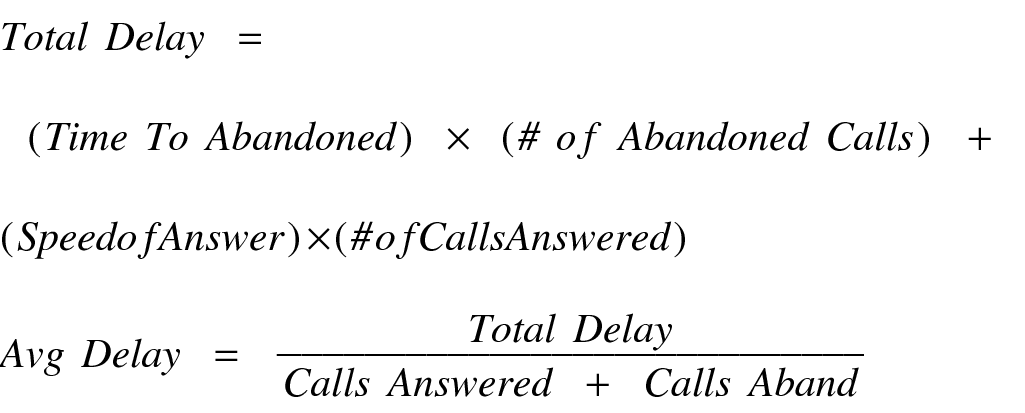
Note:
If the average time to abandon is equal to or exceeds 9999 seconds, the Time Abnd field displays 9999. |
Speed Ans (Sec) |
Speed of Answer. The average time that elapses after a call from when a call ends at the attendant group to when the attendant answers the call. The system measures this time in seconds. The average time that the calls wait to ring an attendant. The queue usage is the total time that the calls are in the attendant queue.
Note:
Calls end either directly at an attendant console and later begin ringing or are put in the attendant queue when no attendant positions are available. 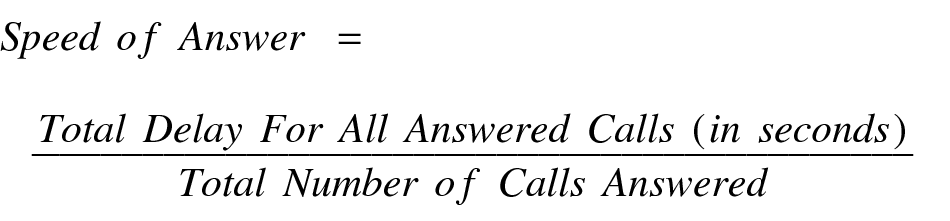 If the average time to abandon is equal to or exceeds 9999 seconds, the Speed Ans (Sec) field displays 9999. Suggested action: If the value is too high and all attendants are working at the acceptable efficiency levels, you can conduct trainings that might help the attendants complete calls quickly. You can also observe the hours during which the speed of service becomes unacceptable and add consoles during those hours. |